



What you are commissioning
We examine the competitive landscape, interview the people closest to the business, and identify the traits worth owning. A manufacturer selling through distributors needs a different vocabulary from a neighborhood restaurant. The research informs a distinctive creative direction, including typography, color, illustration, photography, and the relationship between the company name and its visual mark.
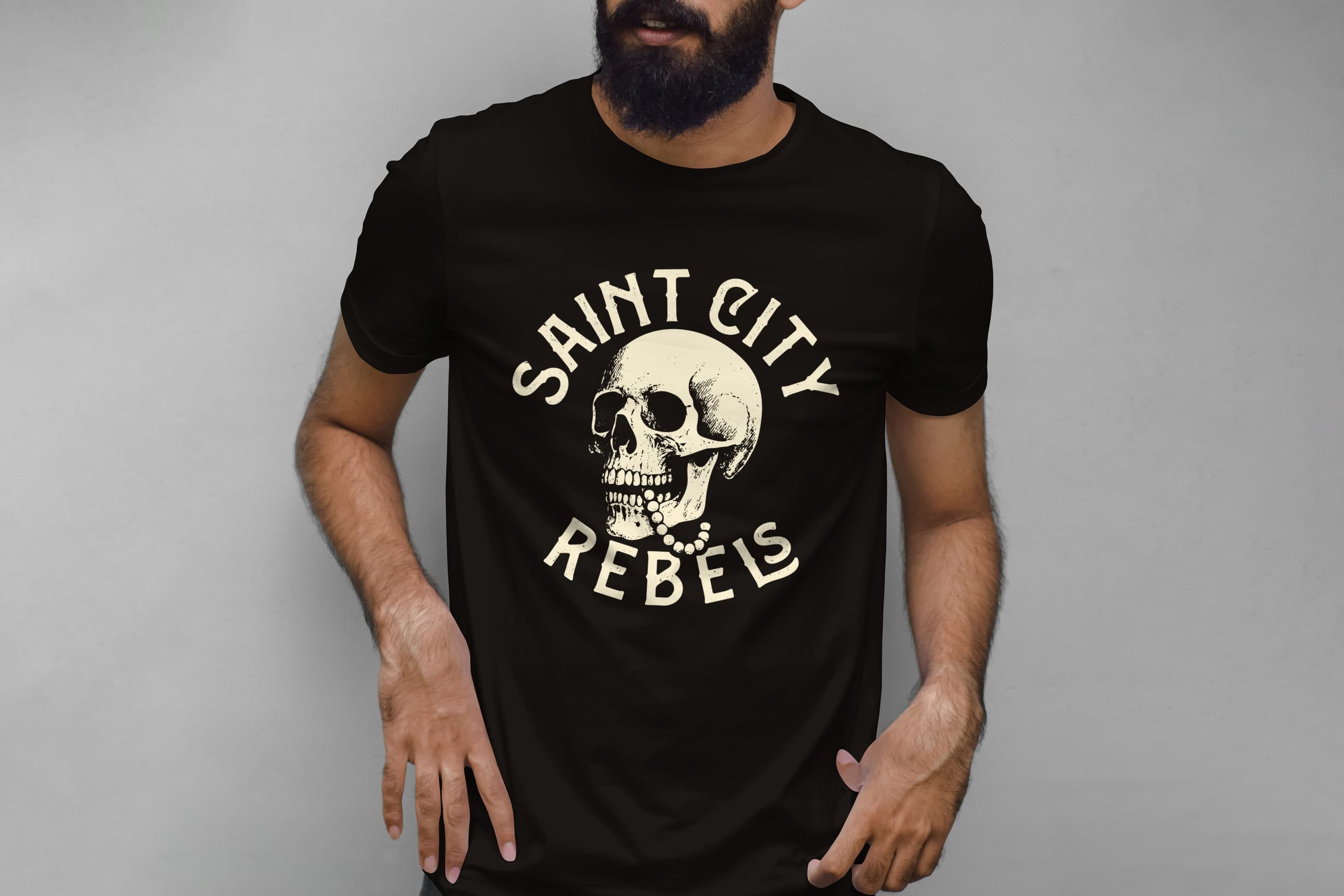
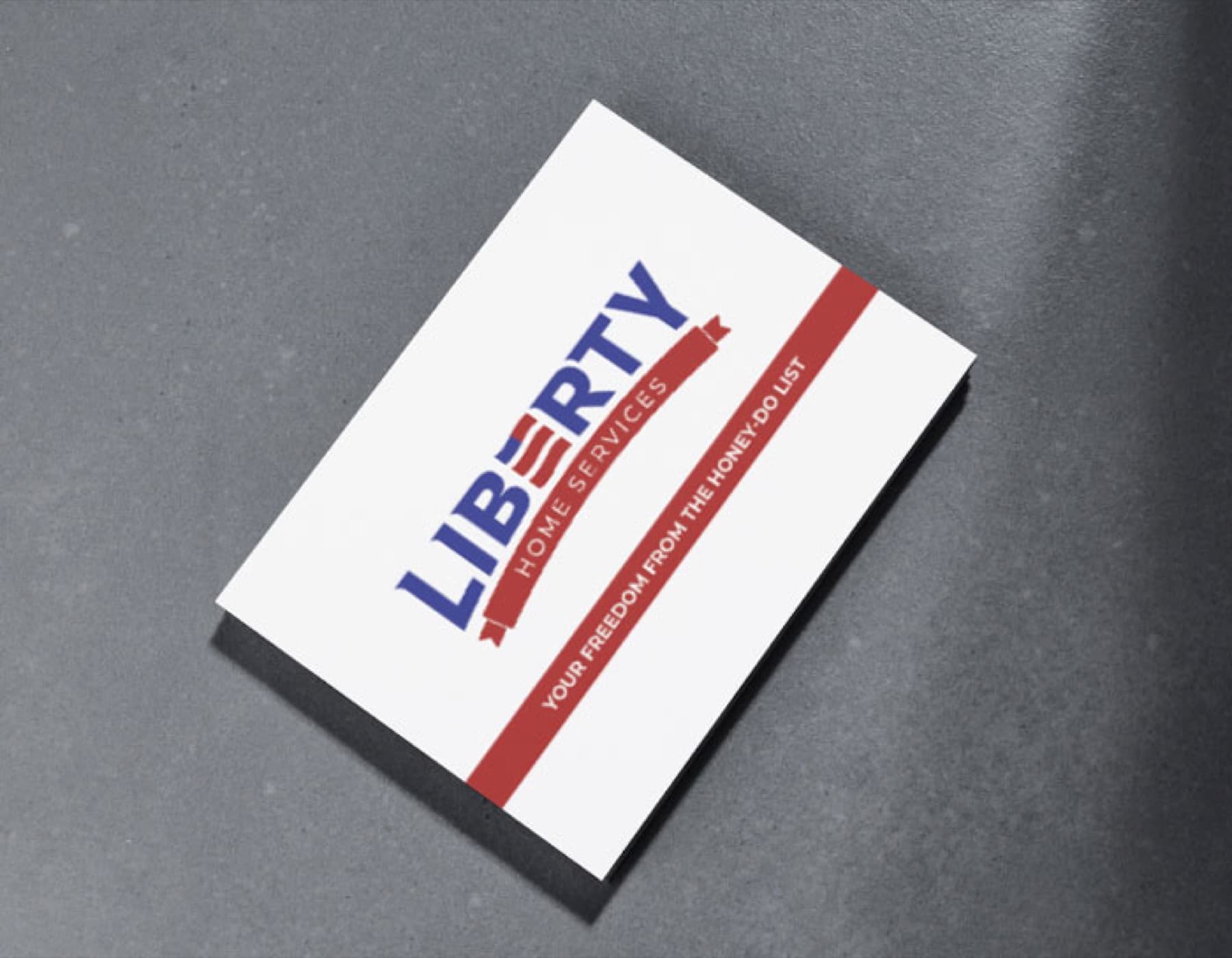
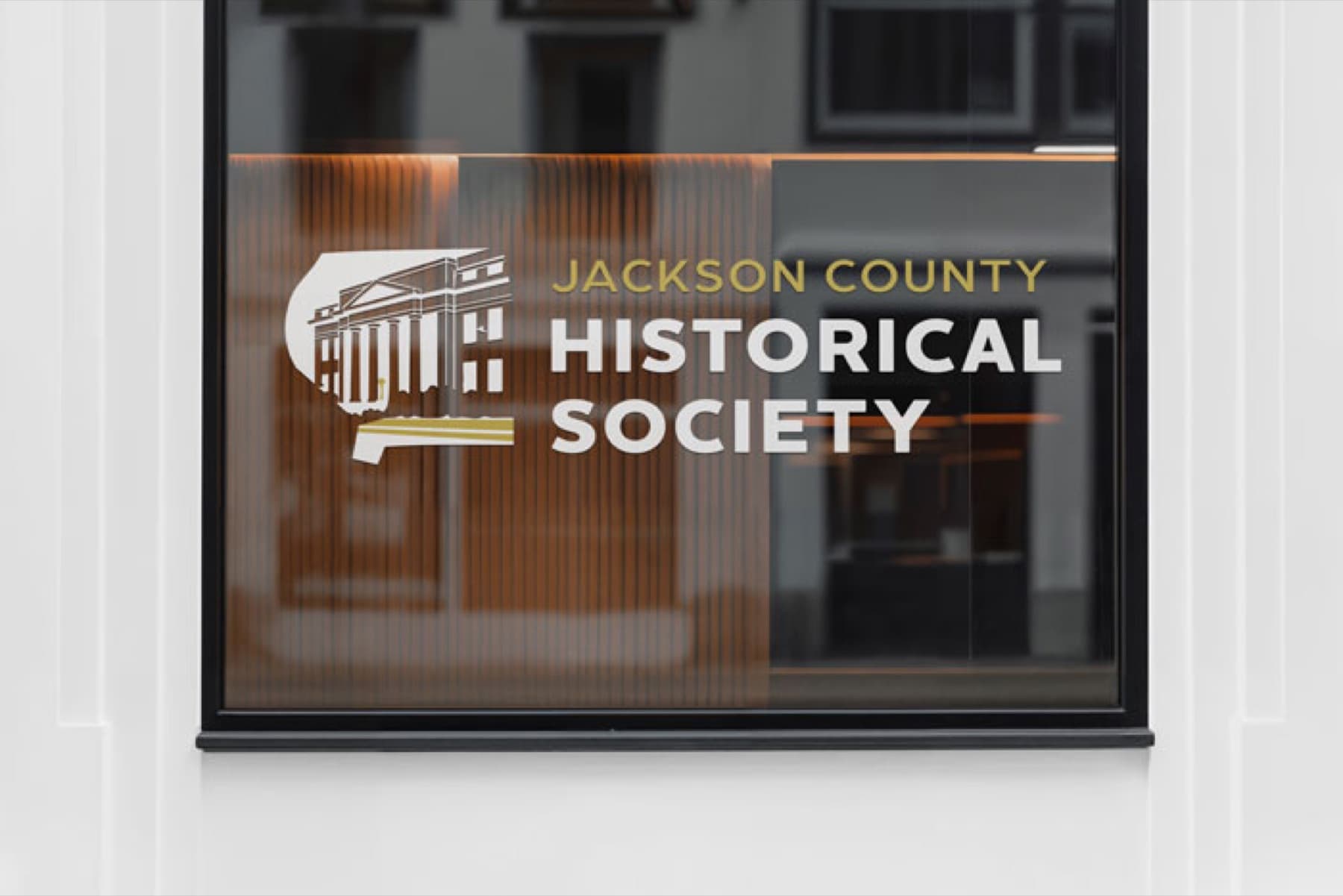
Identity decisions get tested in their intended surroundings. We look at a website header beside an invoice, a storefront beside an employee uniform, and a sales presentation beside an advertisement. These applications expose weaknesses that polished presentation boards can hide: illegible lettering, colors that fail in print, awkward proportions, or a visual style that falls apart when another designer touches it.
The final deliverables depend on where the company operates. A useful identity may require primary and secondary signatures, monochrome artwork, accessible color pairings, type specifications, imagery direction, example layouts, and instructions for outside vendors. We document decisions so a business can commission future material without rebuilding its personality every time. The result should make recognition accumulate across every encounter.
Consider the distinction separating a company that looks polished and one that is identifiable without its name. Distinctive recognition often comes from a combination of elements: a characteristic crop in photography, an unusual typographic rhythm, a recognizable color relationship, or a graphic device that can appear across packaging and advertising. We examine those elements as a system rather than asking a single logo to do all the work.
Accessibility and implementation matter as much as presentation. Color combinations must remain readable for the intended audience, typography needs workable licensing and language coverage, and image treatments should be reproducible by the people creating everyday material. We check whether a design can survive a low-quality office printer as well as a premium campaign production.
An identity project is not a promise of increased sales on its own. The useful test is whether a company can communicate a coherent position, maintain recognizable materials, and make consistent decisions across new applications. Those are observable outcomes, and they inform what belongs in the final standards.
When to commission this: choose a complete identity assignment when the business has no coherent visual and verbal system, or when its positioning needs to be defined before any logo work can succeed. A logo-only engagement solves a narrower problem. A refresh preserves a recognizable foundation. A full identity project connects the positioning to every repeatable expression, so a designer creating a new campaign has rules to work from rather than a folder containing only a symbol.