



What you are commissioning
We begin by examining the product's audience, shelf or screen environment, category conventions, and role in the portfolio. Is it the flagship offering, a limited release, or the first member of a growing family? A product sold through independent retailers faces different recognition challenges from a feature available only inside an existing application.
The design explores hierarchy and endorsement. Sometimes the parent company's mark should dominate and the product name becomes a typographic treatment. Other cases call for a distinct symbol or lettering system. We examine how variations might accommodate sizes, models, editions, or future extensions without creating a collection of unrelated marks.
Testing happens on the intended product experience: packaging panels, ecommerce thumbnails, equipment labels, app navigation, or launch material. We consider production limits, small-print legibility, and how a buyer distinguishes one version from another. Deliverables can include the product signature, parent-brand lockups, versioning rules, and artwork prepared for the required production processes. Future launches should inherit a usable visual logic.
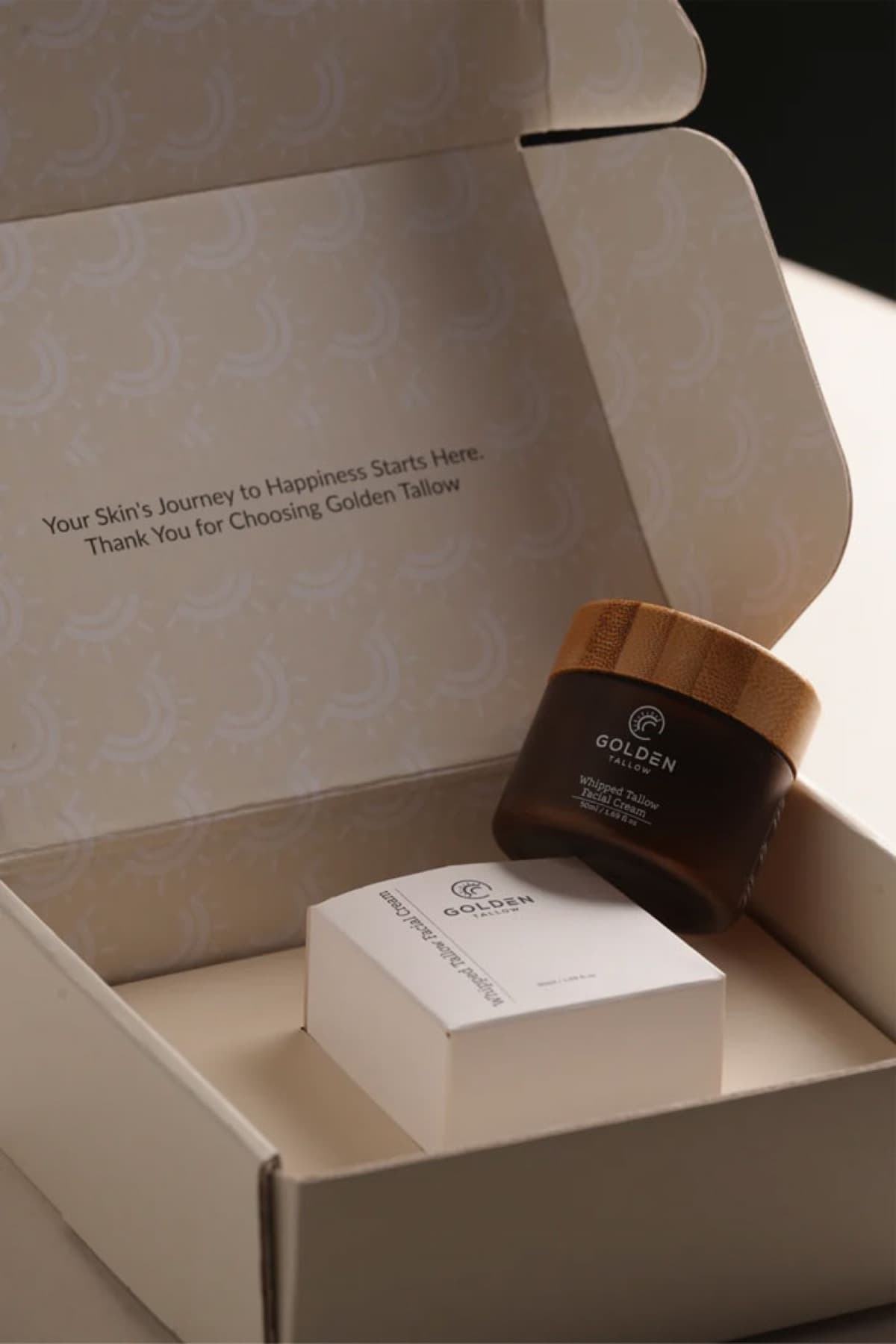
Packaging introduces constraints that corporate stationery does not. A product name may have to sit beside net contents, safety warnings, legal marks, flavor descriptions, or model specifications. A design that dominates an empty mockup can become unreadable once required information is added. We evaluate the logo in a realistic information hierarchy.
Line extensions need to be recognizable without becoming indistinguishable. A buyer should be able to tell a standard version from a premium edition or a replacement part from a new model. The visual system can assign meaning to type treatments, labels, and other differentiators without reinventing the parent company's signature for every release.
Product naming and brand architecture are separate decisions from drawing the mark. When the portfolio is likely to grow, we can document how future product names, descriptors, and endorsements should appear. That planning reduces confusion when the second or tenth product reaches the market.
The distinction is the object being identified: a particular product or product family rather than the company behind it. Product signatures must coexist with packaging information, parent-brand endorsement, variants, and the conventions of a specific buying environment. A corporate logo may remain unchanged throughout this assignment. When a business has no clear parent identity at all, that foundational issue should be addressed separately before creating a portfolio of product marks.